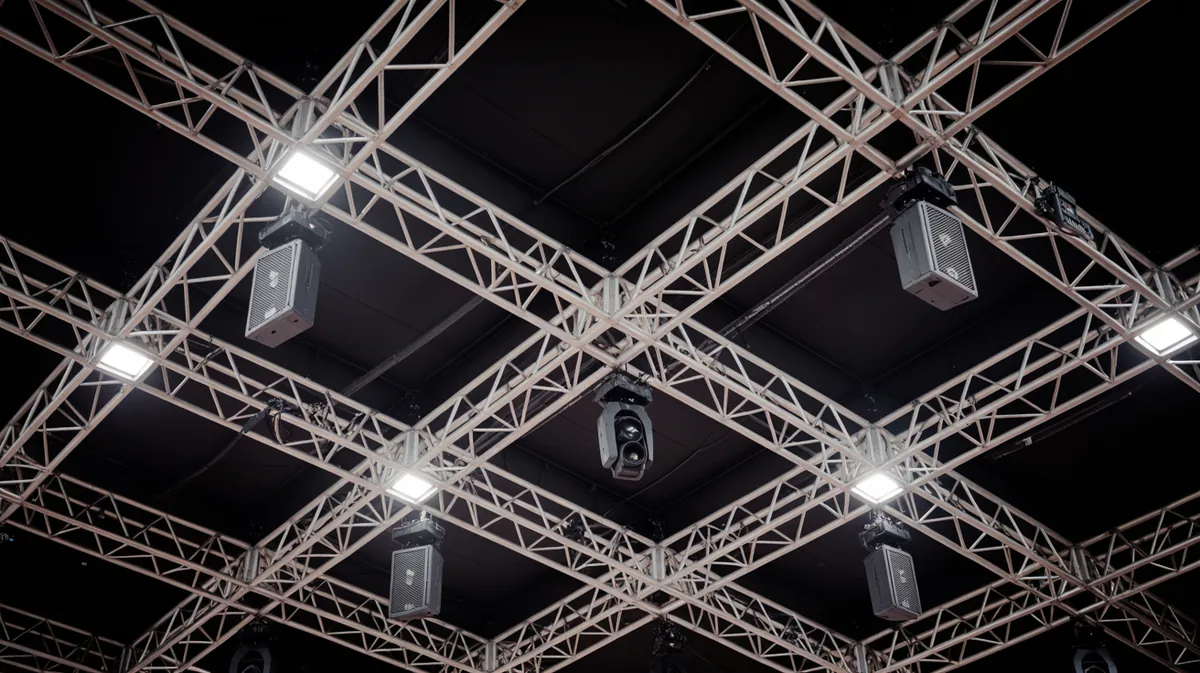
Learn truss load capacity, span limits, and stage rigging safety basics. Read this guide for practical setup guidance.
Understanding Truss Load Capacity in Stage Rigging
When planning a stage, lighting grid, or temporary event structure, truss load capacity is one of the most important safety factors to evaluate. A truss system is not simply judged by its size or appearance; it must be assessed by its allowable load rating, the span between support points, the type of load being applied, and the engineering assumptions behind the build. In professional production environments, especially for concerts, festivals, trade shows, and corporate events, structural safety depends on using properly rated components and applying conservative engineering practices.
For event professionals in Sugar Land and the Houston area, Truss City supplies structural components designed for real-world stage applications. Products such as the F34 Truss - 1m - 290mm x 290mm, 2m - F34 Truss - 290mm x 290mm, 2-Way Corner, F34, 290mm x 290mm, and 6-Way Corner, F34, 290mm x 290mm are commonly used to assemble reliable ground-supported and suspended structures. However, the safest truss system is not the strongest individual piece alone; it is the system as a whole, built within the correct limits.
What Load Rating Really Means
Load rating describes the maximum permissible load a truss assembly can support under defined conditions. These conditions may include span length, support spacing, center-point loading, evenly distributed loading, and whether the truss is used on the ground or flown overhead. A truss that can support a certain load over a short span may carry dramatically less weight over a longer span due to bending stress and deflection.
There are three load concepts to understand:
- Uniformly distributed load (UDL): weight spread evenly along the span, such as multiple lighting fixtures installed across a truss run.
- Point load: weight concentrated at a single location, such as a moving head fixture, speaker cluster, or motor pickup.
- Dynamic load: forces created by movement, wind, vibration, hoisting, or start-and-stop motion during rigging and operation.
Dynamic loads are often the most underestimated hazard. Even if the static weight seems acceptable, movement can increase stress on connections, nodes, and support plates. That is why rigging calculations should include not only the equipment weight, but also the effect of motion and an appropriate safety factor.
Span Limits and Why They Matter
The span between support points has a direct impact on structural performance. In simple terms, the longer the unsupported distance, the more the truss bends under the same load. This is why a 2m - F34 Truss - 290mm x 290mm cannot be treated as a direct substitute for a shorter segment when calculating capacity. Load charts are typically span-specific, and the same truss system may have different allowable loads depending on whether it is spanning 1 meter, 2 meters, or more.
As span increases, the most important structural concerns are:
- Bending moment: the internal force caused by the load pushing the truss into a curve.
- Deflection: the amount the truss sags under load, which can affect alignment and safety clearance.
- Connection stress: force transferred into corner blocks, couplers, and support plates.
For square truss systems like F34, the 290mm x 290mm profile provides a strong structural footprint, but proper span planning is still essential. A well-designed structure may use the F34 Base Plate - 600mm x 600mm x 10mm or the larger F34 Base Plate - 800mm x 800mm x 10mm to distribute vertical loads safely into the floor surface and improve stability at the base of the tower.
Engineering Calculations Used in Truss Safety
Professional truss design begins with engineering calculations, not guesswork. While certified engineers and manufacturer load tables should always govern final use, it helps to understand the basic principles behind the numbers.
1. Determine the total load
Add the weight of all fixtures, cabling, motors, clamps, and accessories. For example, a lighting rig may include moving heads, power distribution, data cabling, and accessories. Do not forget the weight of the truss itself, because self-weight contributes to the total structural load.
2. Identify the load distribution
Is the load centered, evenly spread, or concentrated at one point? A centered point load typically creates more bending stress than the same weight distributed across the span. That distinction is critical when deciding where to place fixtures on a F34 Truss - 1m - 290mm x 290mm or a longer 2-meter section.
3. Check the support conditions
Support type changes performance. A beam supported at both ends behaves differently from a truss section mounted on towers, corners, or a multi-way junction. The 2-Way Corner, F34, 290mm x 290mm and 6-Way Corner, F34, 290mm x 290mm introduce load transfer in multiple directions, so the intersection must be engineered for the intended geometry.
4. Review deflection limits
Even if a structure does not fail, excessive deflection can make a rig unsafe or unusable. Many productions use conservative deflection criteria to maintain alignment, preserve sightlines, and avoid excessive sway. A structure that sags too much may cause lamps to tilt, banners to shift, or suspension points to become overloaded.
A simplified beam relationship often used in preliminary estimates is M = wL² / 8 for a uniformly distributed load on a simply supported span, where M is bending moment, w is load per unit length, and L is span length. This is only a starting point, not a substitute for actual engineering tables or stamped calculations.
Best Practices for Structural Safety
Safe stage rigging depends on disciplined installation, inspection, and load management. Use these best practices on every build:
- Use manufacturer-rated components only. Match truss, corners, base plates, and top plates within the same system whenever possible.
- Never exceed published load tables. Ratings are based on tested assumptions that must be respected.
- Plan for the worst-case load position. Assume the load may shift or concentrate during use.
- Inspect every connection. Check pins, bolts, locking hardware, welds, and sleeves before assembly.
- Control the base footprint. Use appropriate base plates such as the F34 Base Plate - 600mm x 600mm x 10mm or F34 Base Plate - 800mm x 800mm x 10mm where required for stability and load spread.
- Use top support hardware correctly. The Aluminium Top Plate - F34 - 300mm x 300mm provides a secure connection point and should be used according to the structural design.
- Account for wind and motion. Outdoor structures and moving scenery need extra caution.
Choosing the Right F34 Components for a Safer Build
The right geometry is just as important as the right load rating. For straight spans, the F34 Truss - 1m - 290mm x 290mm and 2m - F34 Truss - 290mm x 290mm are ideal for modular construction. For angled frames, the 2-Way Corner, F34, 290mm x 290mm helps create stable 90-degree turns, while the 6-Way Corner, F34, 290mm x 290mm is useful for more complex multi-directional structures, such as overhead grids or center-hung scenic frameworks.
Base plates are critical on any vertical tower or ground-supported build because they distribute compressive force into the floor or ground surface. In many applications, the larger F34 Base Plate - 800mm x 800mm x 10mm provides a wider footprint for improved stability, while the F34 Base Plate - 600mm x 600mm x 10mm may be suitable where space is tighter and loading requirements allow it. At the top of a tower, the Aluminium Top Plate - F34 - 300mm x 300mm helps provide a controlled interface for connecting the vertical structure to overhead members or lifting hardware.
Common Safety Mistakes to Avoid
- Using a truss section based only on its physical size instead of its certified capacity.
- Ignoring the increased stress created by long spans or unsupported overhangs.
- Mixing incompatible hardware or accessories from different systems without verification.
- Failing to account for the combined weight of lighting, cabling, motors, and rigging accessories.
- Overlooking site conditions such as uneven flooring, wind exposure, or soft ground.
It is also important to remember that a structure that is safe on paper may become unsafe in practice if it is installed incorrectly. Untrained assembly, missing pins, poor leveling, and unbalanced loads are common causes of failure. When in doubt, reduce the load, shorten the span, add support, or consult a qualified structural professional.
Final Takeaway
Truss load capacity and structural safety are about the entire system, not just one component. Proper span planning, conservative engineering calculations, certified load ratings, and careful component selection all work together to keep stage rigs safe and reliable. Whether you are building a lighting truss, a temporary entrance, or a complex overhead structure, use high-quality components like F34 truss, corners, base plates, and top plates within their intended limits.
For event professionals who need dependable stage equipment in the Houston area, Truss City provides the structural building blocks that support safe, efficient production. The best rig is the one designed with precision, installed with discipline, and operated within its rated capacity.
Stay Updated
Get notified about new products, deals, and industry guides.
No spam. Unsubscribe anytime.
Products Mentioned in This Guide
Shop the equipment referenced in this article.
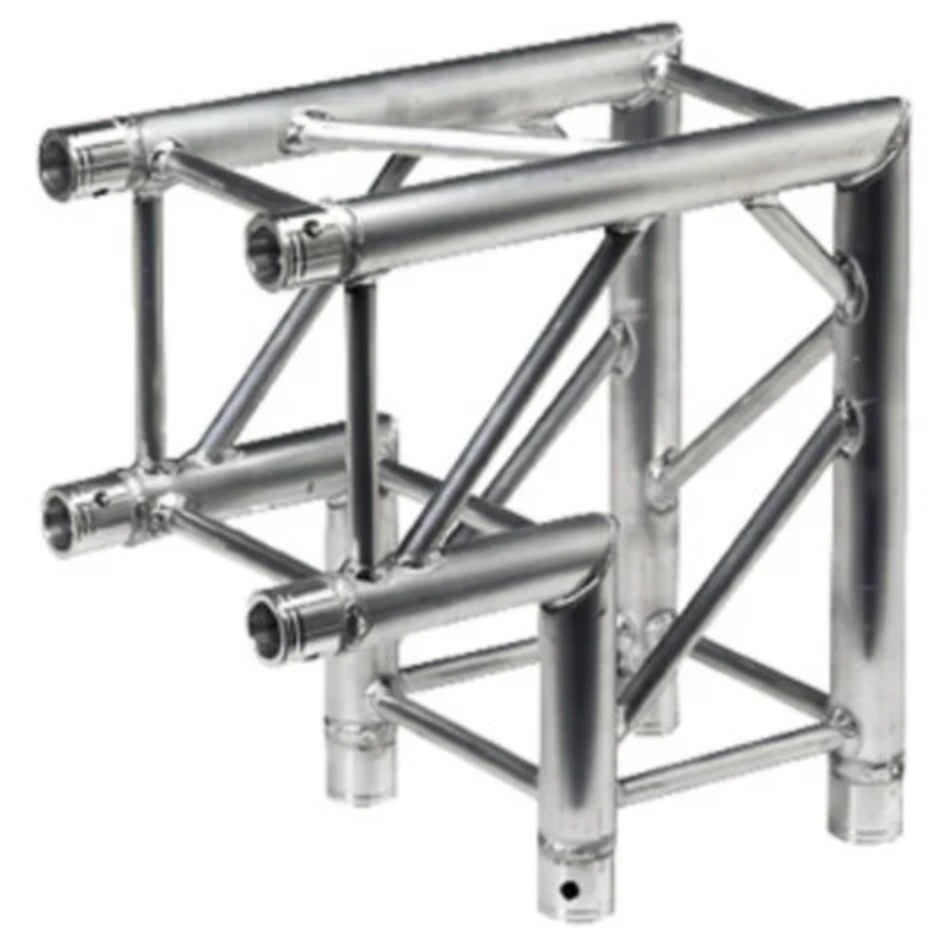
F34 2-Way 90° Corner Block | 290mm Square Box Truss Junction | 6061-T6 Aluminum
$189.99
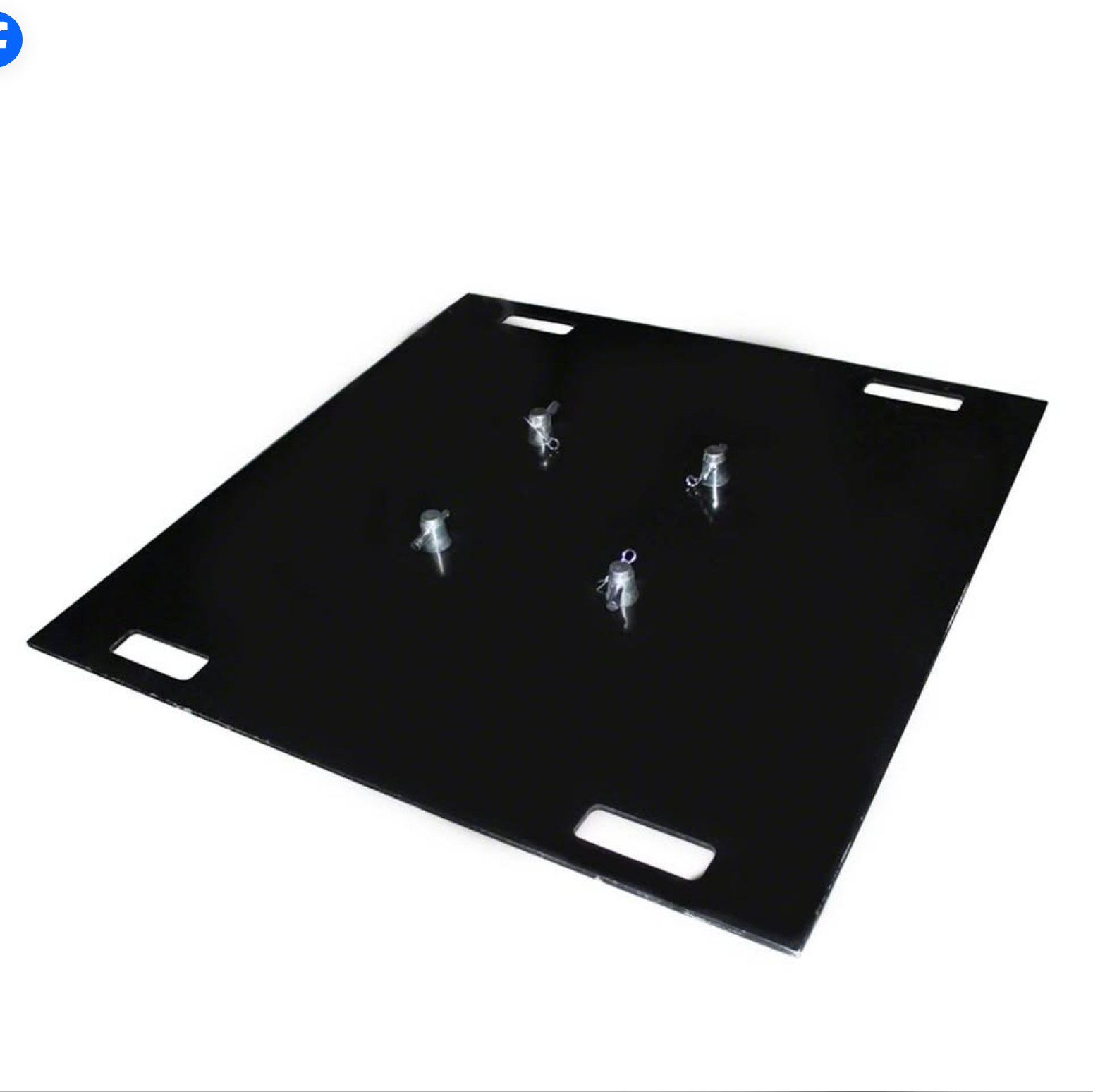
F34 Base Plate 600mm × 600mm × 10mm | Ground Support Plate for 290mm Box Truss
$199.99
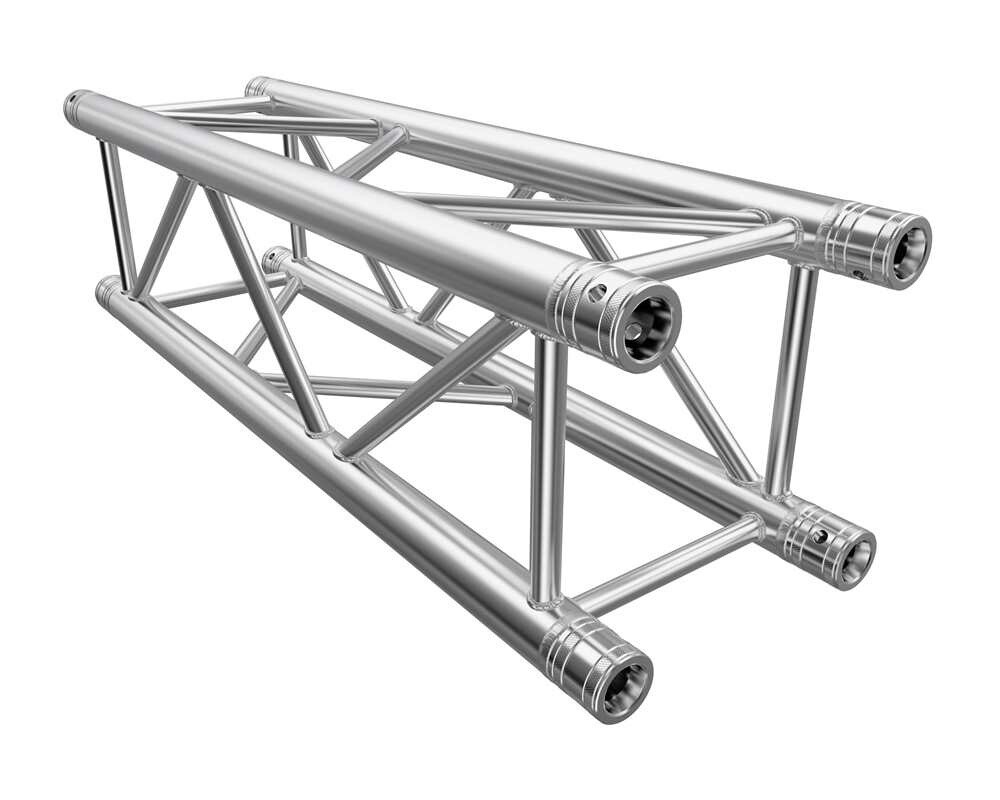
F34 1m (3.28ft) Straight Square Aluminum Truss | 290mm Box Truss | CCS Conical Connection
$189.99$175.00
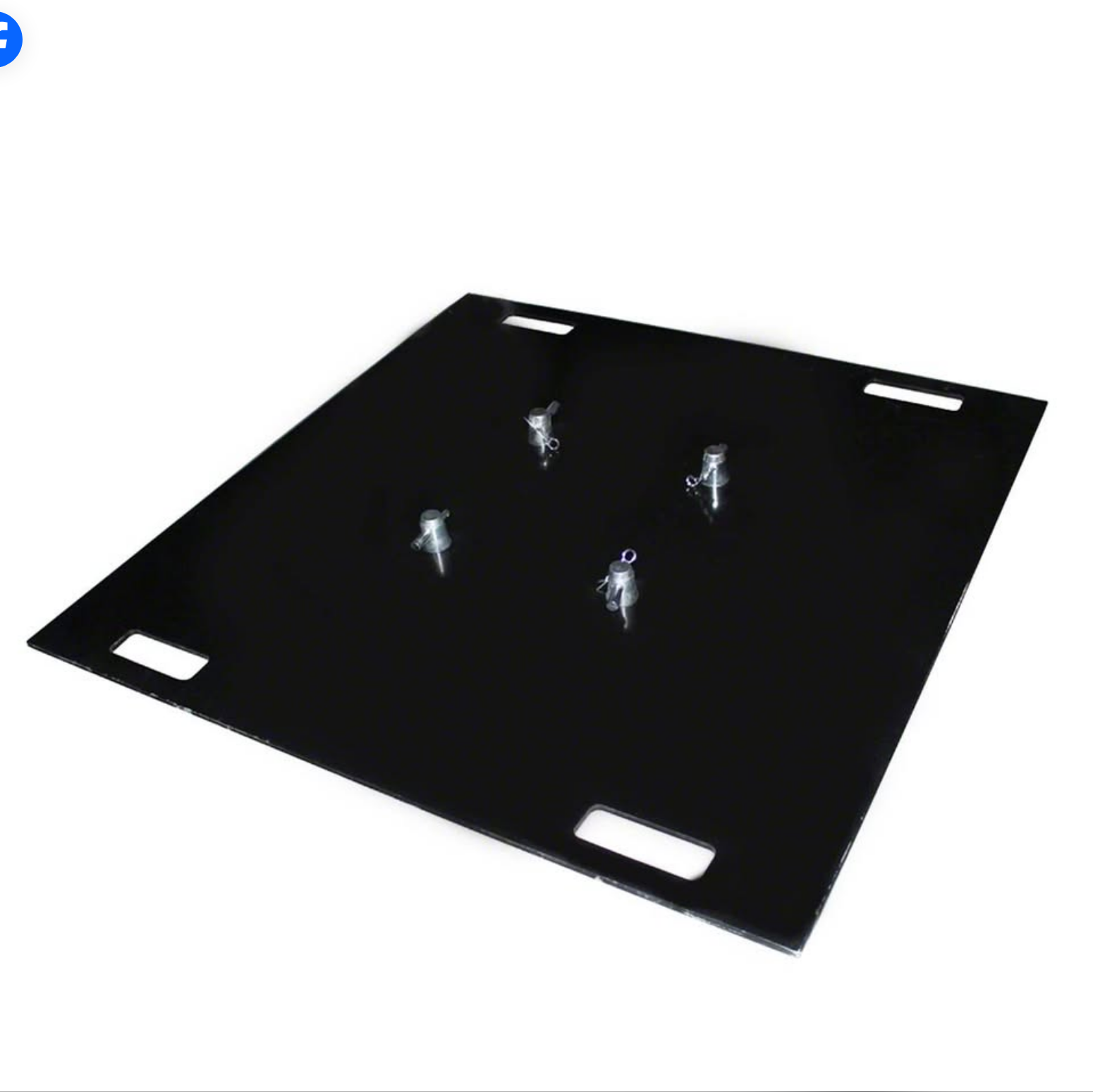
F34 Base Plate 800mm × 800mm × 10mm | Heavy Duty Ground Support for 290mm Box Truss
$274.99
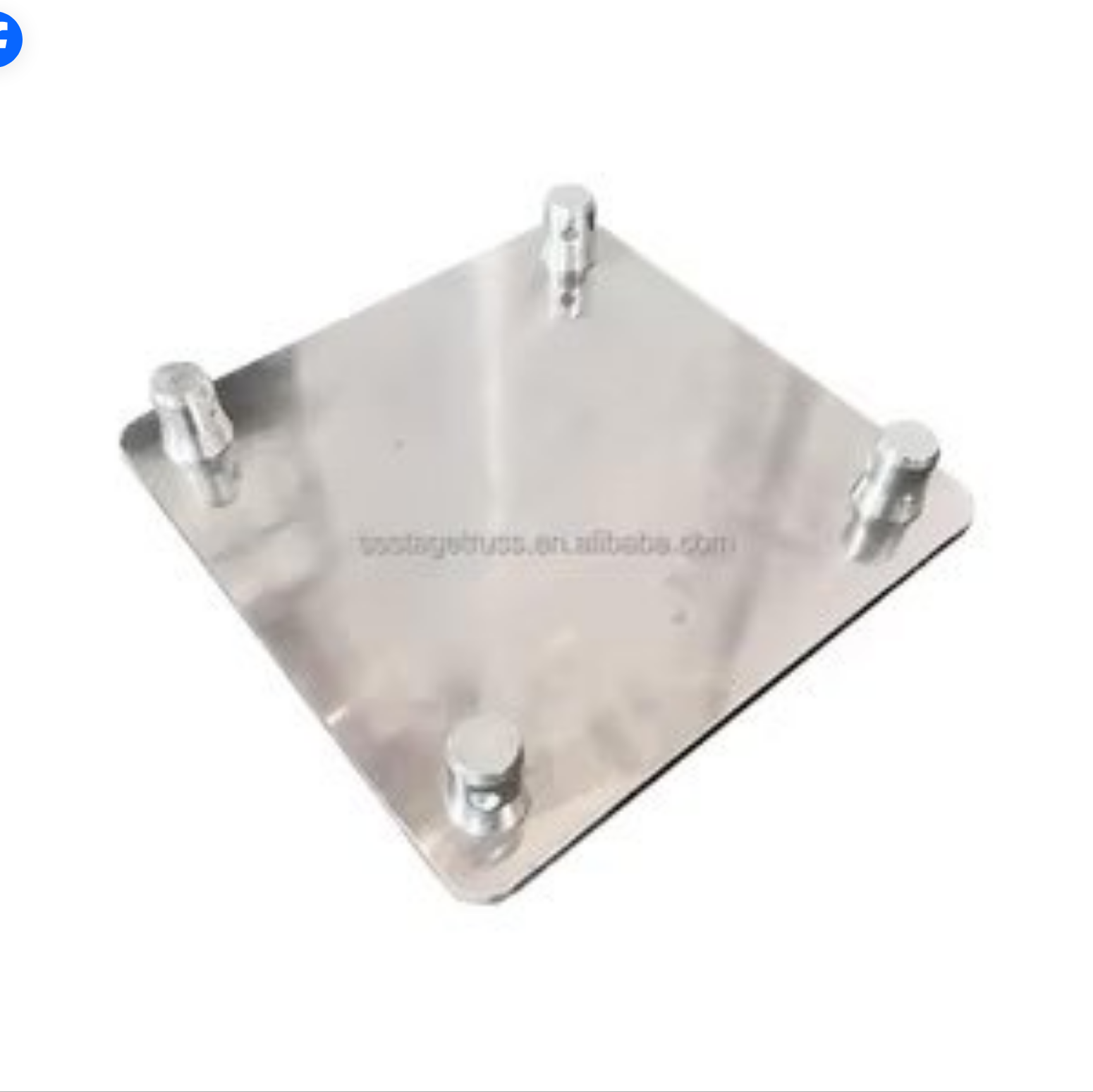
F34 Aluminum Top Plate 300mm × 300mm | Truss Top Cap for 290mm Box Truss
$139.99
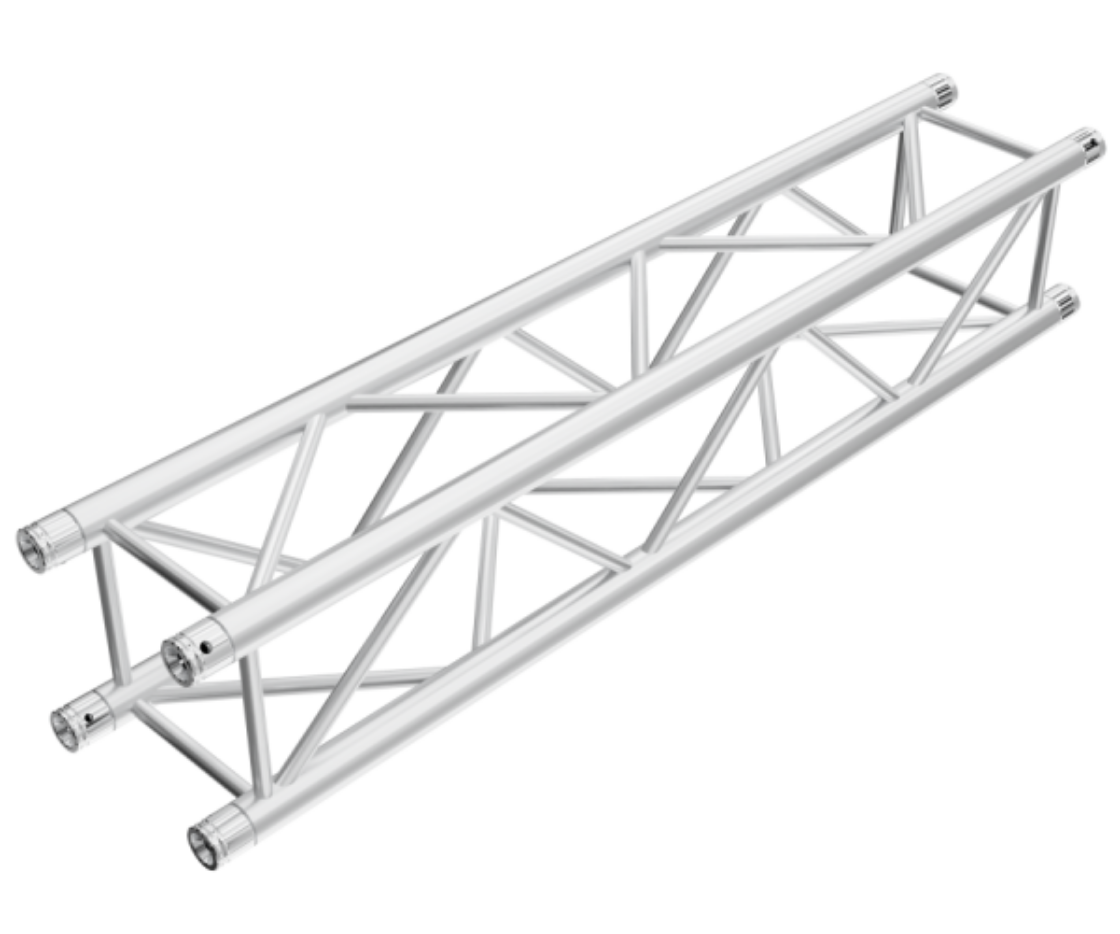
F34 2m (6.56ft) Straight Square Aluminum Truss | 290mm Box Truss | CCS Conical Connection
$349.99$330.00
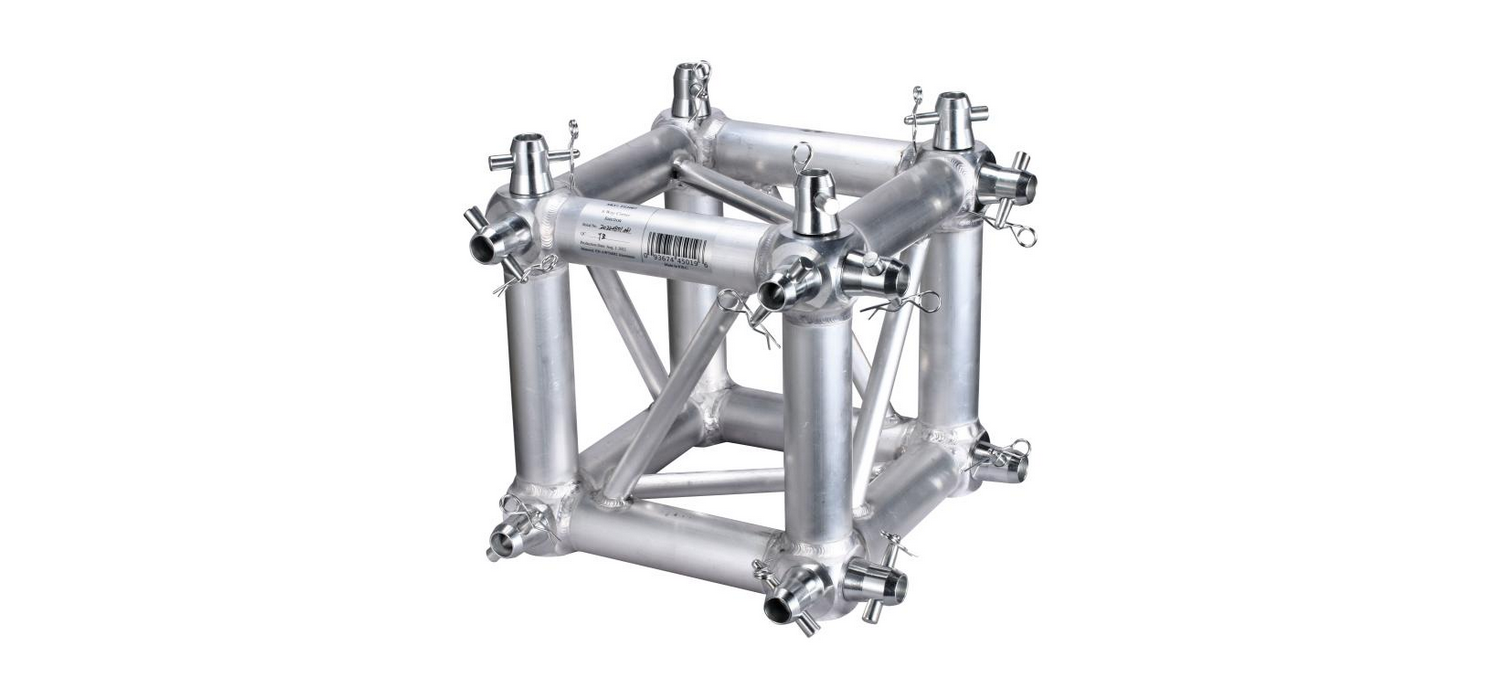
F34 6-Way Corner Junction Block | 290mm Square Box Truss Connector | 6061-T6 Aluminum
$274.99
Related Guides
How to Use Truss for Building an Effective Stage with Light Rigging
Learn how to use stage truss and light rigging to build a safe, flexible setup. Get practical tips for clamps and truss hardware.

Add Excitement to Your Party with Effects.
Make your party unforgettable with cold sparks, confetti, and CO2 effects. Shop Truss City for event effects and safety tips.
Planning Your First Event Stage Setup: A Beginner’s Checklist for Truss, Lighting, and Rigging Equipment
Plan your stage lighting equipment setup with truss, clamps, base plates, and rigging gear. Read the checklist and shop smarter.