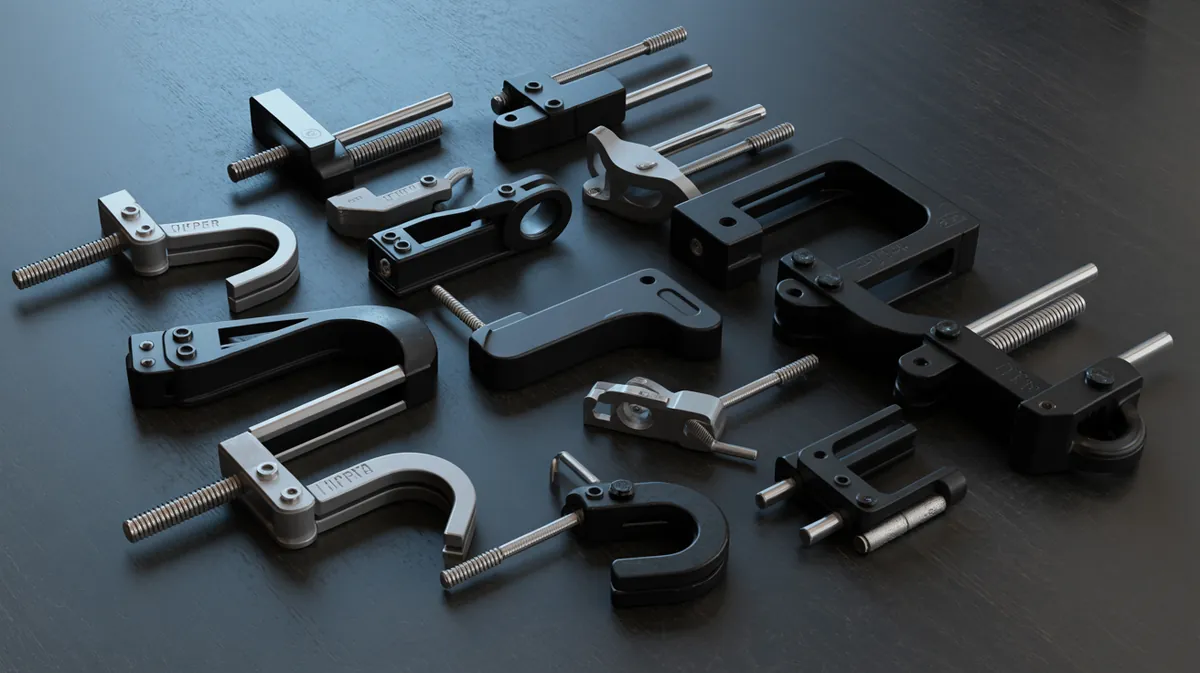
Compare stage lighting clamps, including C-clamps, coupler clamps, and trigger clamps. Learn what fits your truss and hardware.
Choosing the right stage lighting clamp is one of the simplest ways to make your rig safer, faster to build, and easier to maintain. Whether you’re hanging a PAR can on a small event truss, mounting a moving head on a pipe, or assembling a larger concert setup, the clamp you use matters just as much as the fixture itself. The three most common options are C-clamps, coupler clamps, and trigger clamps, and each one has a different strength depending on the job.
This guide breaks down how each type works, where it shines, and what to consider before you buy. If you work with stage truss, lighting bars, or round tubing in live event production, theater, worship spaces, or mobile DJ setups, understanding these clamp styles will help you make better choices every time.
What a Stage Lighting Clamp Actually Does
A lighting clamp connects a fixture or accessory to a support structure such as truss, pipe, or a lighting bar. Its job is to hold the load securely while resisting vibration, movement, and accidental loosening. In practice, that means the clamp must match the pipe diameter, support the weight rating of the fixture, and be tightened correctly every time.
Most clamp-related problems come from one of three issues: using the wrong clamp for the pipe size, overtightening or under-tightening, or choosing a clamp that is too slow for the speed of the setup. That is why it helps to know the difference between a C-clamp, a coupler clamp, and a trigger clamp before your next build.
C-Clamps: The Classic Workhorse
The C-style clamp is one of the most familiar pieces of stage hardware. It is a tried-and-true choice for professional stage and event applications because it offers a secure, adjustable grip and a compact profile. A good example is the C-style clamp machined from aluminum alloy with a precision-threaded bolt, designed for 48–51mm (2") O.D. pipe.
Why people choose C-clamps
- Strong and dependable for many common fixtures
- Adjustable thanks to the threaded bolt design
- Compact footprint on truss or pipe
- Good for rigs that stay assembled for longer periods
Best use cases
C-clamps are ideal when you want a secure mount and do not need the absolute fastest installation. They are commonly used for PAR lights, LED fixtures, smaller moving lights, and other equipment that stays in place for a full event or production run. In theater or installed applications, the precision threaded bolt gives you a controlled, reliable clamp-down that many technicians appreciate.
Things to keep in mind
C-clamps are not always the quickest option for frequent load-ins and load-outs. They often require more turning and checking than spring-style hardware. If your team values speed above all else, another clamp style may be a better fit.
Coupler Clamps: Simple, Solid, and Truss-Friendly
Coupler clamps are designed to connect gear directly to round tubing or truss. A typical round clamp / coupler style uses a hinged clamp body and a wing-nut fastener for quick, tool-free tightening. This makes it especially useful when you need a straightforward, durable connection that can be installed quickly on site.
The round clamp / coupler style and the Round clamp / coupler style - Type 2 are both examples of this category. Built from durable metal, these clamps are made to hold securely to round pipe or truss and are often valued for their simplicity.
Why people choose coupler clamps
- Great for round tubing and truss
- Tool-free tightening with a wing nut
- Hinged body makes placement easier
- Durable metal construction for repeated use
Best use cases
Coupler clamps are a strong choice for portable truss systems, lighting bars, and event rigs where you need to secure fixtures fast without sacrificing stability. They are especially helpful when you are working with multiple identical fixtures across a truss span and want a clamp that opens, positions, and tightens quickly.
Things to keep in mind
Because coupler clamps are commonly matched to round pipe or truss, always verify the exact pipe diameter before installation. Even though they are easy to use, they still need to be tightened properly and checked before the show starts. A wing nut is convenient, but convenience should never replace a final safety inspection.
Trigger Clamps: Fastest for Quick Setups
Trigger clamps, sometimes called spring clamps or quick-action clamps, are built for speed. A good example is the trigger / spring clamp, which uses an ergonomic trigger lever and spring mechanism for fast, one-handed mounting on 48–51mm (2") O.D. truss pipe and lighting bars. For crews that need to hang and strike gear quickly, this can save real time on site.
Why people choose trigger clamps
- Fast one-handed attachment
- Excellent for frequent changes during setup
- Ergonomic for operators working alone or on a tight schedule
- Useful when fixtures are repeatedly mounted and removed
Best use cases
Trigger clamps are a smart choice for mobile DJs, small event production teams, worship environments, and trade show crews where speed is a major priority. If you are constantly adjusting fixture positions, swapping lights, or building the same rig in different rooms, a quick-action clamp can dramatically improve workflow.
Things to keep in mind
Although trigger clamps are convenient, they should still be selected with the same care as any other rigging accessory. Make sure the clamp is rated for the application, compatible with the support pipe size, and properly engaged before a fixture is energized or left unattended. Fast should never mean loose.
C-Clamp vs Coupler Clamp vs Trigger Clamp: How to Choose
The right choice depends on your priorities: security, speed, compatibility, and workflow. Here is a simple way to compare them:
- Choose a C-clamp if you want a dependable all-around clamp with controlled tightening and a traditional stage hardware profile.
- Choose a coupler clamp if you are mounting to round tubing or truss and want a simple, tool-free solution with a hinged body.
- Choose a trigger clamp if speed is the priority and you need fast one-handed installation on 2" pipe or lighting bars.
For many productions, the answer is not one clamp type forever, but the right clamp for the right role. A lighting designer may keep C-clamps on more permanent fixtures, use coupler clamps on truss-mounted effects, and reserve trigger clamps for fast-changing mobile setups.
Practical Buying Tips for Stage Lighting Clamps
- Check pipe diameter first. A clamp that fits 48–51mm (2") O.D. pipe will not necessarily fit smaller or larger tubing correctly.
- Match the clamp to the fixture weight. The clamp must support the load safely, including any vibration or movement during transport.
- Think about the crew workflow. If your team builds under time pressure, quick-action hardware can be worth the investment.
- Consider the mounting surface. Round truss, lighting bars, and standard pipe each interact differently with clamp geometry.
- Inspect for wear. Threads, bolts, springs, hinge points, and fasteners should be checked regularly.
Safety Best Practices
No matter which clamp you choose, safe rigging practices are essential. Stage lighting hardware may look simple, but it plays a critical role in protecting people, gear, and property.
- Never exceed the clamp’s rating or the weight capacity of the support structure.
- Always verify full engagement before lifting a fixture into use.
- Use a secondary safety cable where required by your venue or production standard.
- Check for proper alignment so the load sits squarely on the truss or pipe.
- Reinspect after transport since vibration can loosen hardware in transit.
If a clamp feels wrong, does not tighten cleanly, or does not sit securely on the pipe, stop and reassess. The few extra minutes spent checking hardware are always worth it.
Which Clamp Is Best for Your Setup?
There is no single “best” stage lighting clamp for every job. Instead, the best clamp is the one that fits your exact use case:
- For durable everyday mounting: C-clamps are a reliable choice.
- For round truss and simple installation: coupler clamps are a practical, versatile option.
- For speed and one-handed setup: trigger clamps are hard to beat.
For example, if you are assembling a small concert truss in Houston and need a fast build, trigger clamps can speed up the process. If you are mounting fixtures in a theater where the rig stays in place for weeks, a C-style clamp may offer the controlled tightening you prefer. If you are hanging multiple lights on round tubing or a truss system and want a straightforward metal coupler with a wing-nut fastener, a round clamp / coupler style is a smart fit.
Conclusion
Understanding C-clamps vs coupler clamps vs trigger clamps helps you make better decisions for safety, speed, and reliability on every build. Each style has a clear place in professional stage equipment: C-clamps for dependable mounting, coupler clamps for truss and round tubing, and trigger clamps for rapid installation. By matching the clamp to the fixture, pipe size, and workflow, you can build cleaner rigs and reduce setup stress.
Whether you are putting together a mobile event system, a worship stage, or a production truss in the Houston area, the right lighting clamp makes a noticeable difference. Choose carefully, inspect everything twice, and treat every mount as if it matters—because it does.
Stay Updated
Get notified about new products, deals, and industry guides.
No spam. Unsubscribe anytime.
Products Mentioned in This Guide
Shop the equipment referenced in this article.
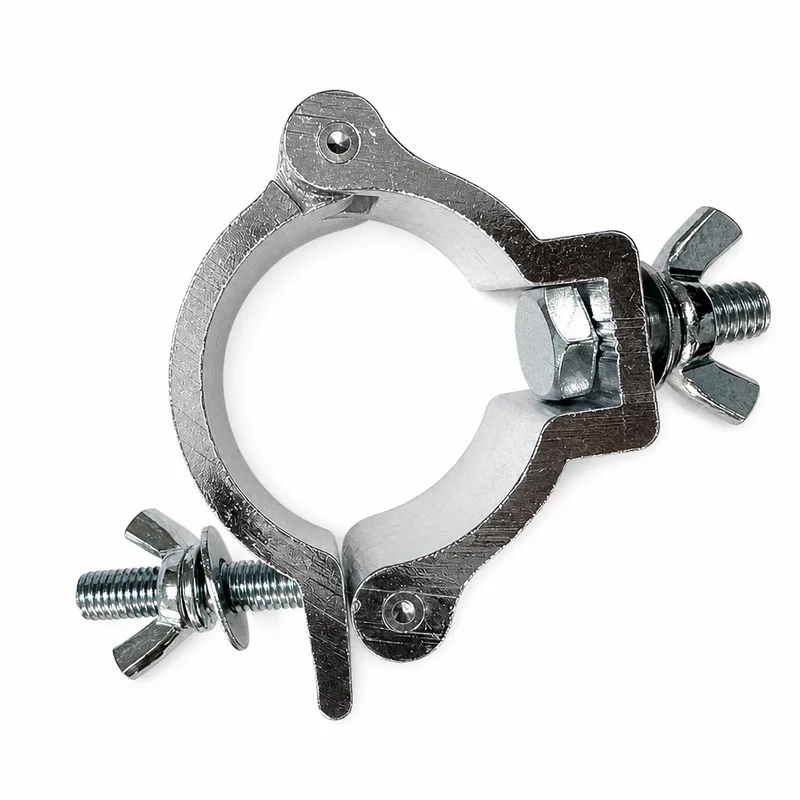
Half Coupler Clamp for 2" (48–51mm) Truss Pipe | Aluminum Swivel Stage Clamp
$14.99$11.99
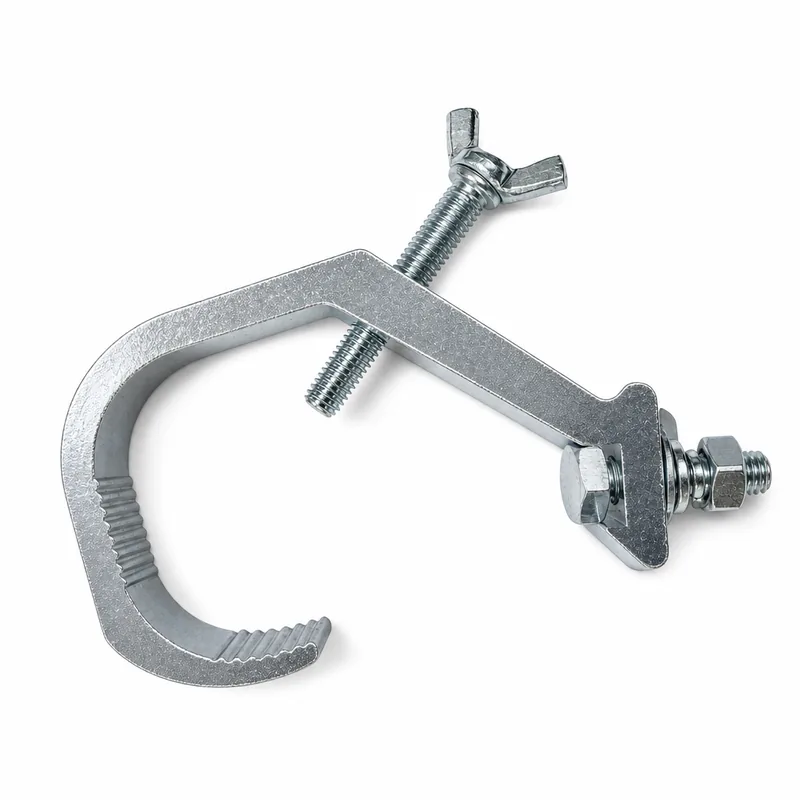
Heavy Duty C-Clamp for 2" (50mm) Truss Pipe | Aluminum Stage Lighting Clamp | 165 lb SWL
$9.99$8.99
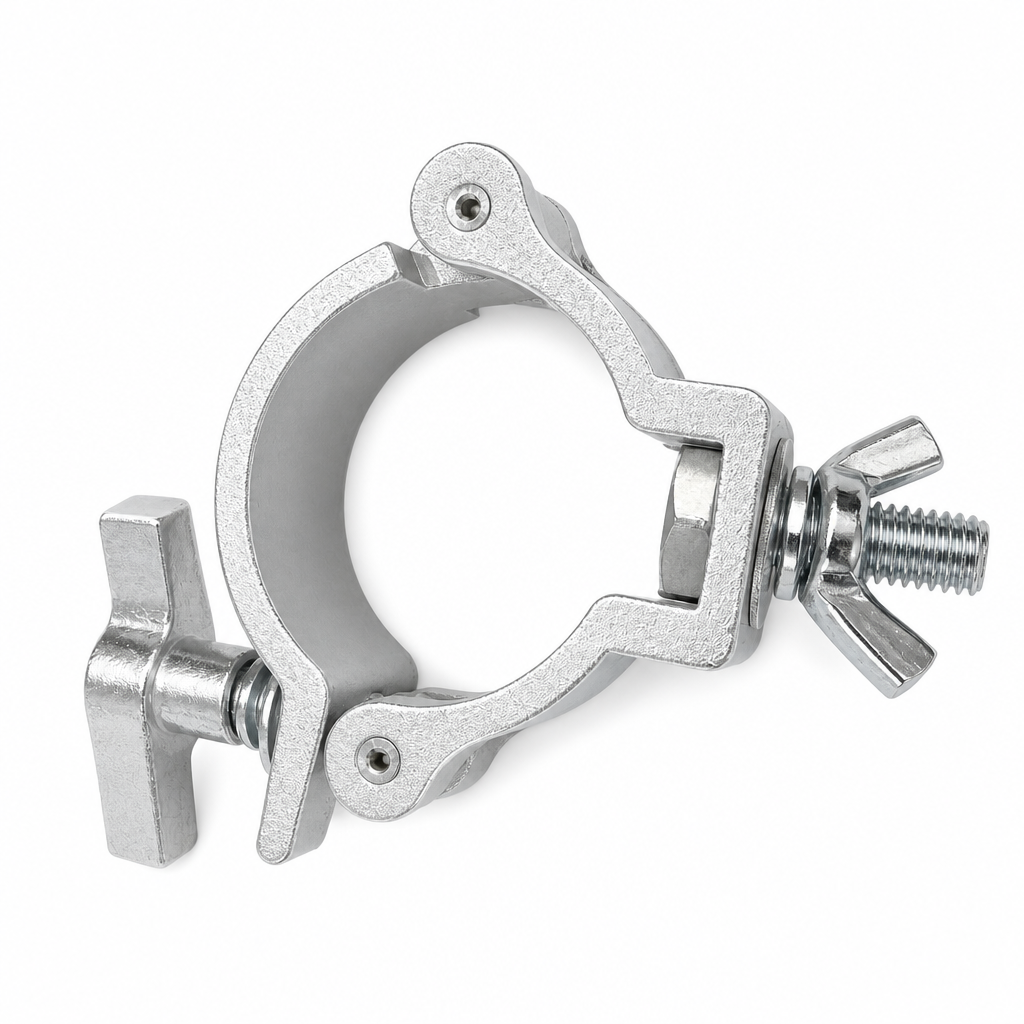
Heavy Duty Half Coupler Clamp Type 2 for 2" (48–51mm) Truss | Hinged Stage Lighting Clamp
$14.99$11.99
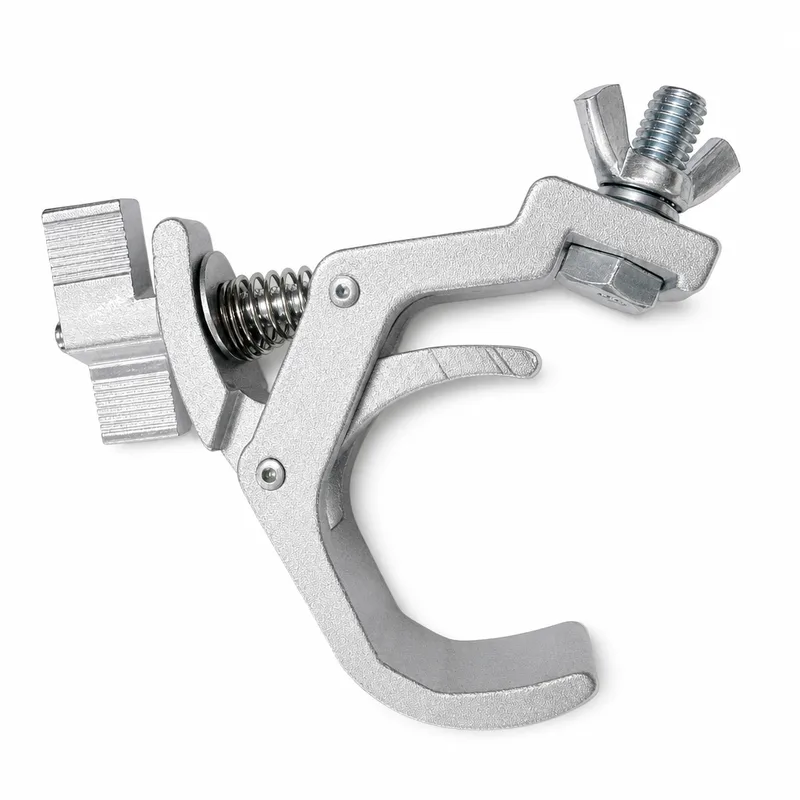
Quick-Release Trigger Clamp for 2" (50mm) Truss Tubing | One-Handed Stage Lighting Clamp | 165 lb SWL
$19.99$14.99
Related Guides
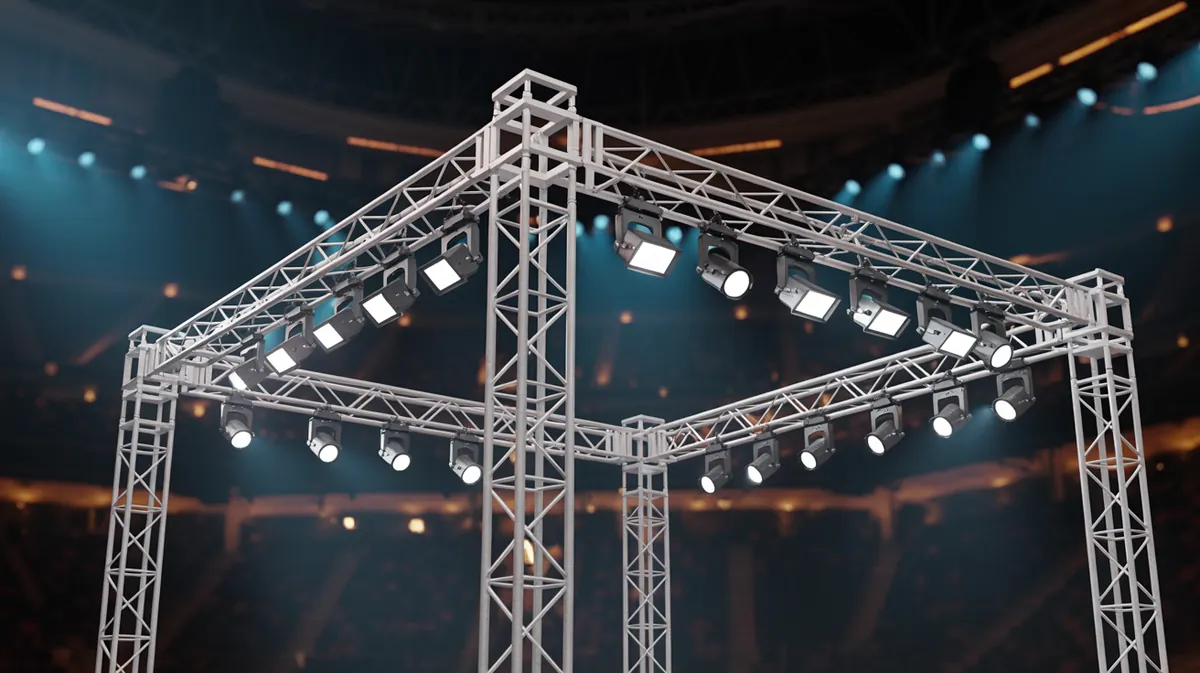
Beginner's Guide to Aluminum Truss Systems: Types, Sizes, and How to Choose the Right Truss
Learn aluminum truss types, sizes, and load capacity to choose the right stage truss system. Read the guide now.
How to Use Truss for Building an Effective Stage with Light Rigging
Learn how to use stage truss and light rigging to build a safe, flexible setup. Get practical tips for clamps and truss hardware.
Add Excitement to Your Party with Effects.
Make your party unforgettable with cold sparks, confetti, and CO2 effects. Shop Truss City for event effects and safety tips.