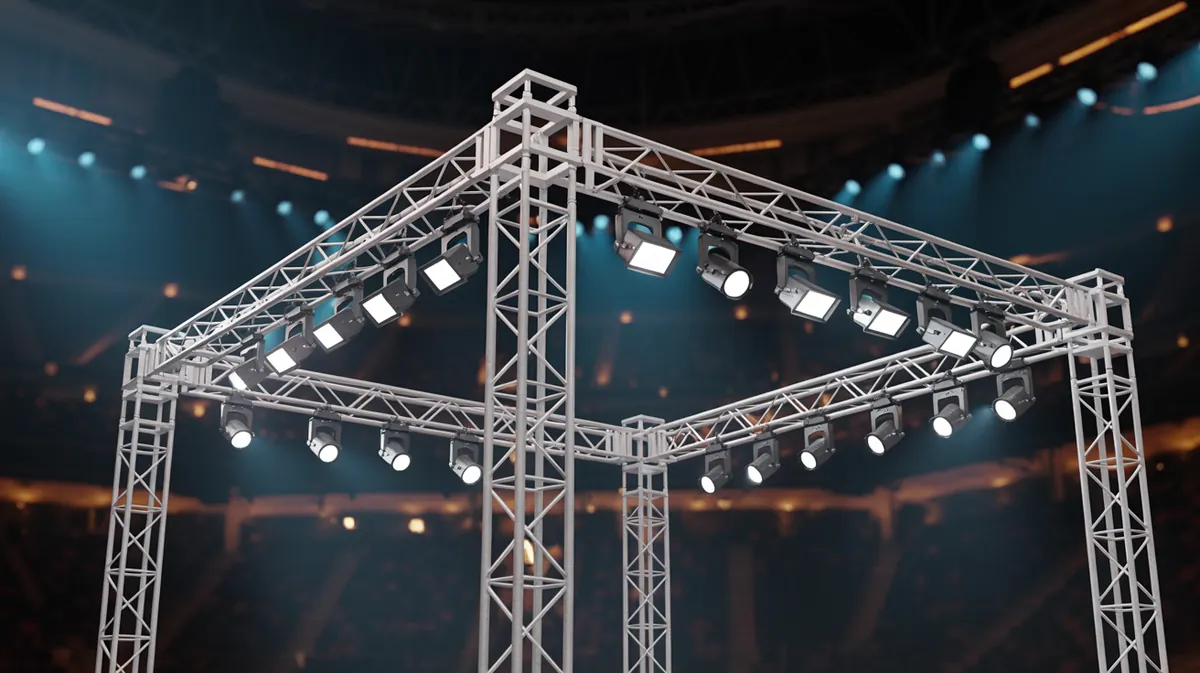
Learn aluminum truss types, sizes, and load capacity to choose the right stage truss system. Read the guide now.
If you are new to stage equipment, aluminum truss systems can look more complicated than they really are. In simple terms, truss is the framework that helps support lighting, speakers, banners, and scenic elements at concerts, trade shows, worship services, corporate events, and more. The right truss system gives your setup strength, flexibility, and a professional look.
This beginner-friendly guide explains the main truss types, common sizes, how truss pieces connect, and what to consider when choosing equipment for your event. We will also touch on practical examples using F34 truss components so you can better understand how real-world builds come together.
What Is an Aluminum Truss System?
An aluminum truss system is a lightweight structural framework made from aluminum tubes arranged in a triangular or square shape. That shape is important because it spreads weight efficiently while staying strong. Event crews use truss to build overhead lighting rigs, ground support structures, stage entrances, banner frames, and exhibition displays.
Compared with steel, aluminum is easier to move, assemble, and transport. That is one reason it is so common in the live event industry. If you are looking at stage truss for the first time, think of it as modular building blocks: straight sections, corner pieces, base plates, and top plates all work together to create a custom structure.
Common Truss Types for Events
1. Square Truss
Square truss is one of the most popular options for stage and event work. It has four main sides, which makes it stable and versatile for hanging equipment. The F34 Truss - 1m - 290mm x 290mm and 2m - F34 Truss - 290mm x 290mm are good examples of square truss sections. These pieces are often used to build straight spans, goal-post style frames, and larger roof systems.
For beginners, square truss is a great starting point because it is easy to understand and widely used. It works well for lighting trusses, speaker support, and trade show structures where a clean, professional appearance matters.
2. Triangle Truss
Triangle truss is lighter than square truss and can be a good choice when weight is a concern. It is often used for decorative structures, smaller lighting rigs, and applications where the load is lower. While triangle truss is practical, many event professionals prefer square truss for heavier equipment because it offers more surface area and flexibility.
3. Box Truss and F34 Systems
When people talk about F34 truss systems, they are usually referring to a common square box truss format. The F34 system is widely used in professional stage production because it balances strength, weight, and compatibility. It is a dependable choice for concerts, festivals, and rental inventory because many accessories and connectors are designed to work with it.
If you are building a modular rig, F34 components make it easier to create a consistent system. For example, an F34 base plate helps anchor a vertical tower, while an aluminium top plate provides a secure connection point at the top of the structure.
Understanding Truss Sizes
Truss size usually refers to the outer dimensions of the section, such as 290mm x 290mm for the F34 line. This size tells you the footprint of the truss, which affects strength, weight, and how much equipment it can support. Larger truss sections are generally stronger, but they also weigh more and take up more space.
Here is a simple way to think about sizing:
- Short sections like 1m truss are useful for tight layouts, quick adjustments, and modular builds.
- Longer sections like 2m truss help you cover more distance with fewer connections.
- Larger base plates improve stability, especially for vertical towers and freestanding structures.
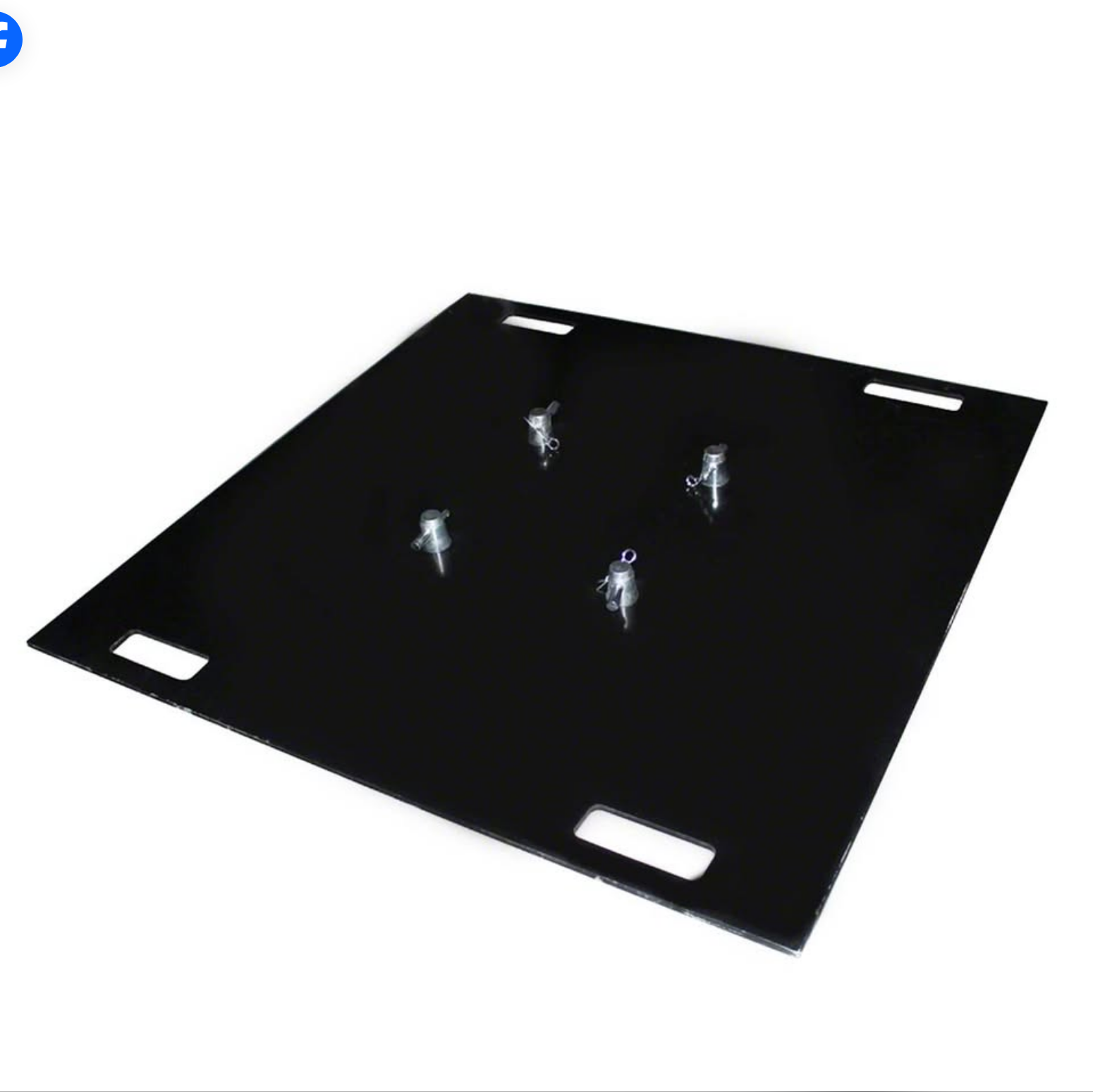
The F34 Base Plate - 600mm x 600mm x 10mm and F34 Base Plate - 800mm x 800mm x 10mm are examples of foundation pieces that help keep the structure steady. In general, a wider base is better when supporting taller truss or heavier loads.
Key Truss Components and What They Do
Straight Truss Sections
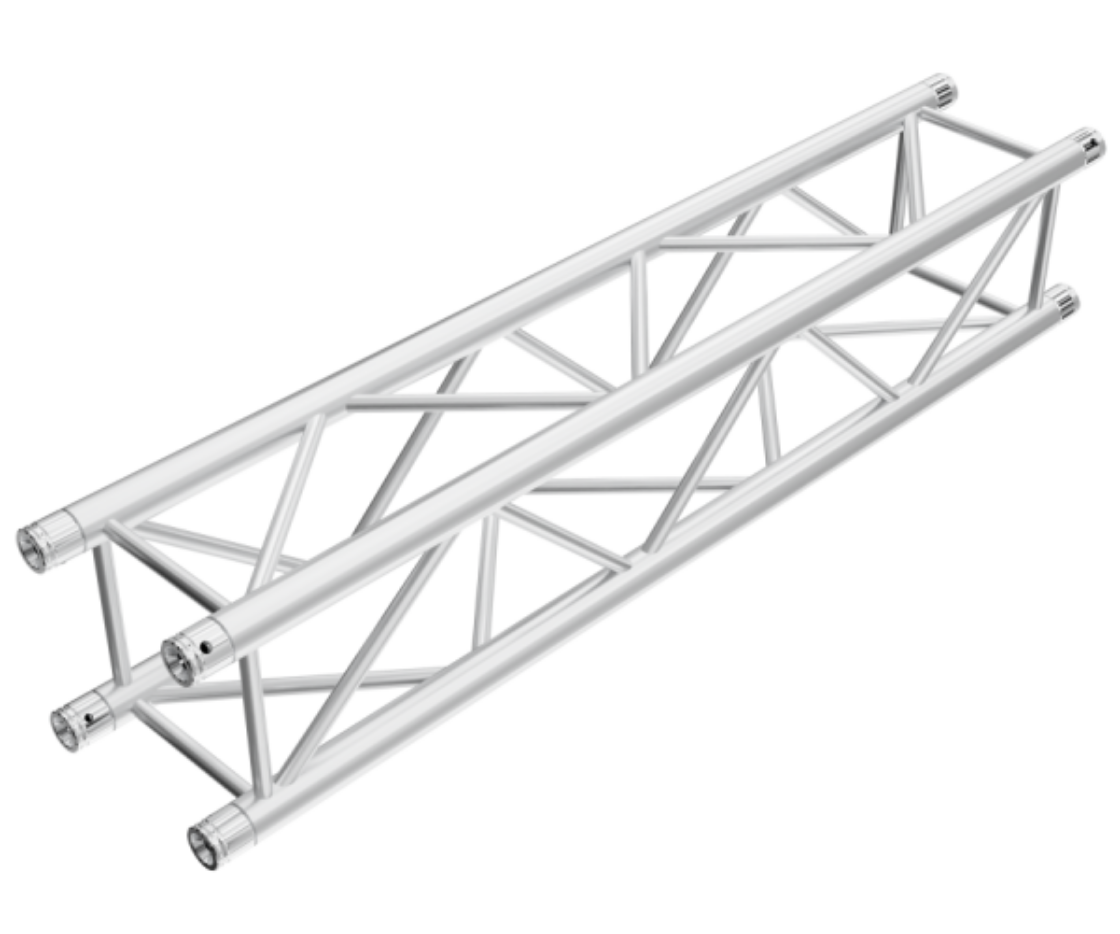
Straight sections form the main spans of your structure. They connect to other sections using compatible couplers and help create horizontal bars, vertical towers, and frame sides. The 1m and 2m F34 truss pieces are common building blocks for many event setups.
Corner Pieces
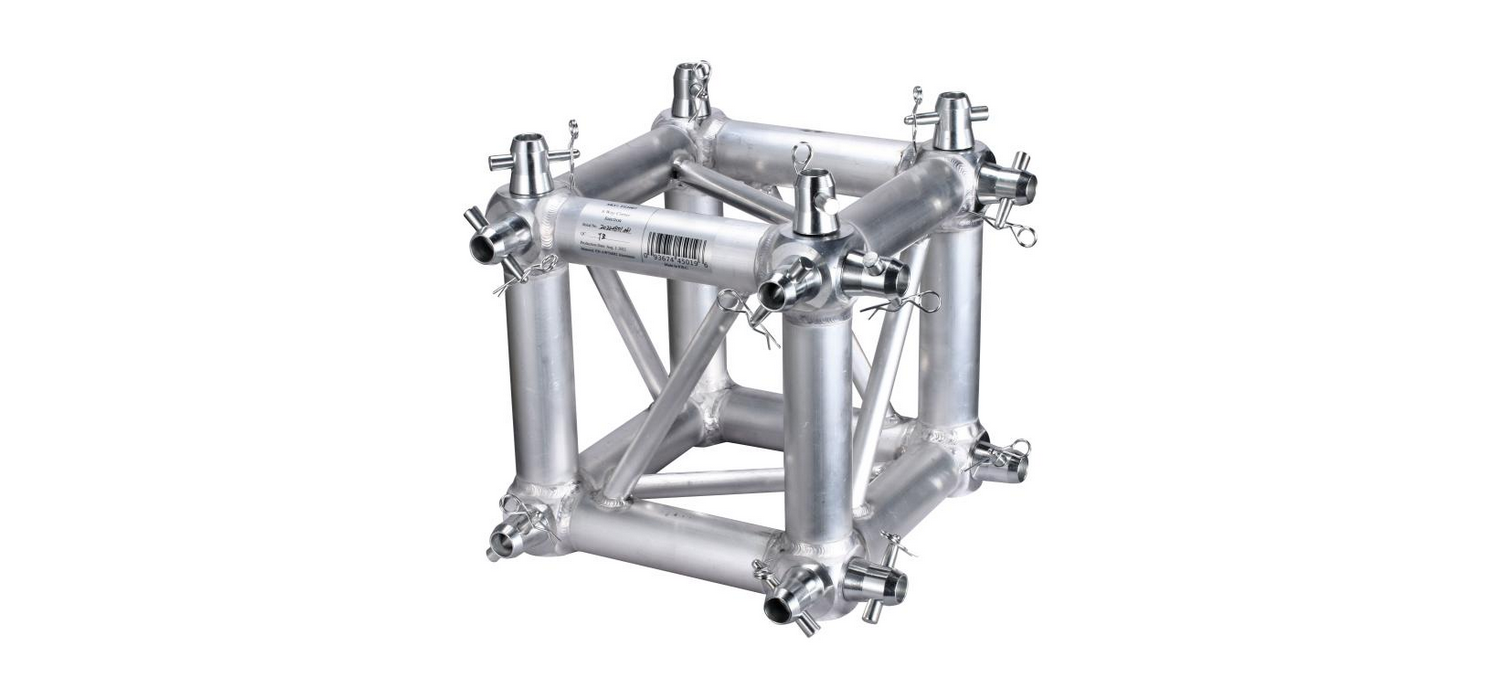
Corners let you change direction and build shapes such as squares, rectangles, and multi-sided rigs. The 2-Way Corner, F34, 290mm x 290mm is used to create a strong 90-degree turn, making it ideal for simple frames and box-style structures. For more complex setups, the 6-Way Corner, F34, 290mm x 290mm can connect multiple truss runs in different directions, which is useful for larger stages, custom booths, and multi-branch lighting grids.
Base Plates
Base plates spread the load of a vertical tower across a wider surface. This helps reduce tipping and improves overall stability. The 600mm x 600mm base plate is a practical option for many smaller-to-medium builds, while the 800mm x 800mm version gives you even more footprint for larger or taller structures.
Top Plates
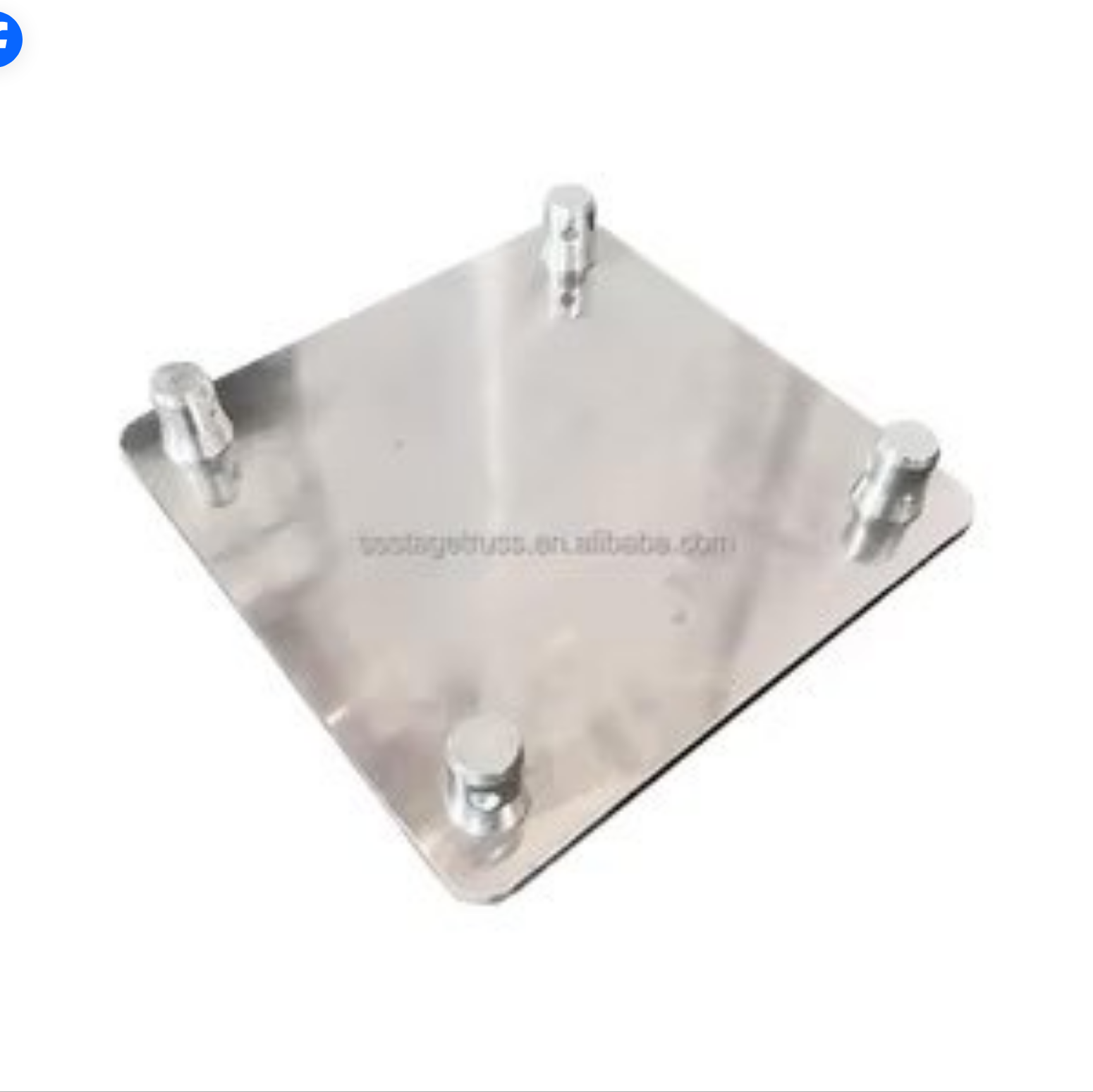
Top plates provide a clean, secure point at the top of a vertical truss section. The Aluminium Top Plate - F34 - 300mm x 300mm is commonly used to finish a tower and create a connection point for additional truss or hardware. It is a small part, but it plays an important role in the strength and usability of the system.
How to Choose the Right Truss for Your Event
Choosing the right truss depends on what you need to support, how much space you have, and how portable the setup must be. Start by answering these questions:
- What are you hanging or building? Lights, speakers, scenery, video walls, and banners all have different load needs.
- How large is the event space? A small indoor venue may only need short spans and lower towers, while a festival stage may require bigger systems.
- Will the truss be temporary or used often? Frequent builds benefit from modular parts that are easy to assemble and reconfigure.
- Do you need straight lines or complex shapes? Simple frames can use straight sections and 2-way corners, while custom layouts may need 6-way corners.
- How much weight will it carry? Heavier loads usually call for larger truss sections, wider bases, and professional planning.
For example, a small corporate backdrop might use a few F34 1m sections, a couple of 2-way corners, and a base plate. A larger concert lighting rig might combine 2m truss spans, 6-way corners, and wider base plates for added support.
Practical Tips for Beginners
- Start simple. Build one frame before trying a complex multi-level structure.
- Use compatible parts. Make sure all truss pieces match the same system, such as F34.
- Plan your layout on paper first. Sketch where towers, corners, and spans will go.
- Keep load evenly distributed. Avoid placing all the weight on one side of a structure.
- Leave room for safety. Build with enough clearance for rigging, cabling, and movement.
Safety Considerations You Should Not Skip
Truss is strong, but it must be used correctly. Even a well-made stage truss system can become unsafe if it is overloaded, assembled incorrectly, or placed on an unstable surface. Always check manufacturer load ratings and follow proper rigging practices.
Important safety basics include:
- Inspect every truss section before use for dents, cracks, or bent connectors.
- Use the right base plate size for the height and load of the build.
- Confirm all pins, couplers, and hardware are secure before raising the structure.
- Do not exceed recommended load limits.
- For overhead or high-risk builds, consult a qualified rigging professional.
If your setup involves people underneath the truss, such as audience areas or walkways, safety becomes even more important. In those cases, planning and inspection are not optional.
Real-World Event Scenarios
Trade Show Booth
A trade show display may use square F34 truss to hang signage and lights above a booth. A small frame with 1m truss sections, a 2-way corner, and a top plate can create a clean, professional outline without taking up too much floor space.
Concert Lighting Truss
For live music, 2m F34 truss sections are often used to build longer spans for lighting fixtures. Larger base plates and strong corner pieces help the rig stay stable while keeping the overhead design flexible for show changes.
Stage Entrance or Scenic Arch
An event entrance may use a mix of straight truss and 2-way corners to form a branded arch or portal. If the design branches in multiple directions, a 6-way corner can help connect several truss runs into one cohesive structure.
Conclusion
Aluminum truss systems are one of the most important tools in stage production and event rigging. Once you understand the basics of truss types, sizes, and components, it becomes much easier to choose the right setup for your event. Square F34 truss is a strong, versatile option for many beginner and professional applications, while base plates, top plates, and corner pieces help you build stable structures that fit your layout.
Whether you are putting together a small trade show booth or planning a larger concert rig, the best approach is to start with the load, the shape, and the space you have available. From there, choose compatible truss components, follow safety guidelines, and build with stability in mind. With a little planning, your truss system can support a polished, professional event from start to finish.
Stay Updated
Get notified about new products, deals, and industry guides.
No spam. Unsubscribe anytime.
Products Mentioned in This Guide
Shop the equipment referenced in this article.
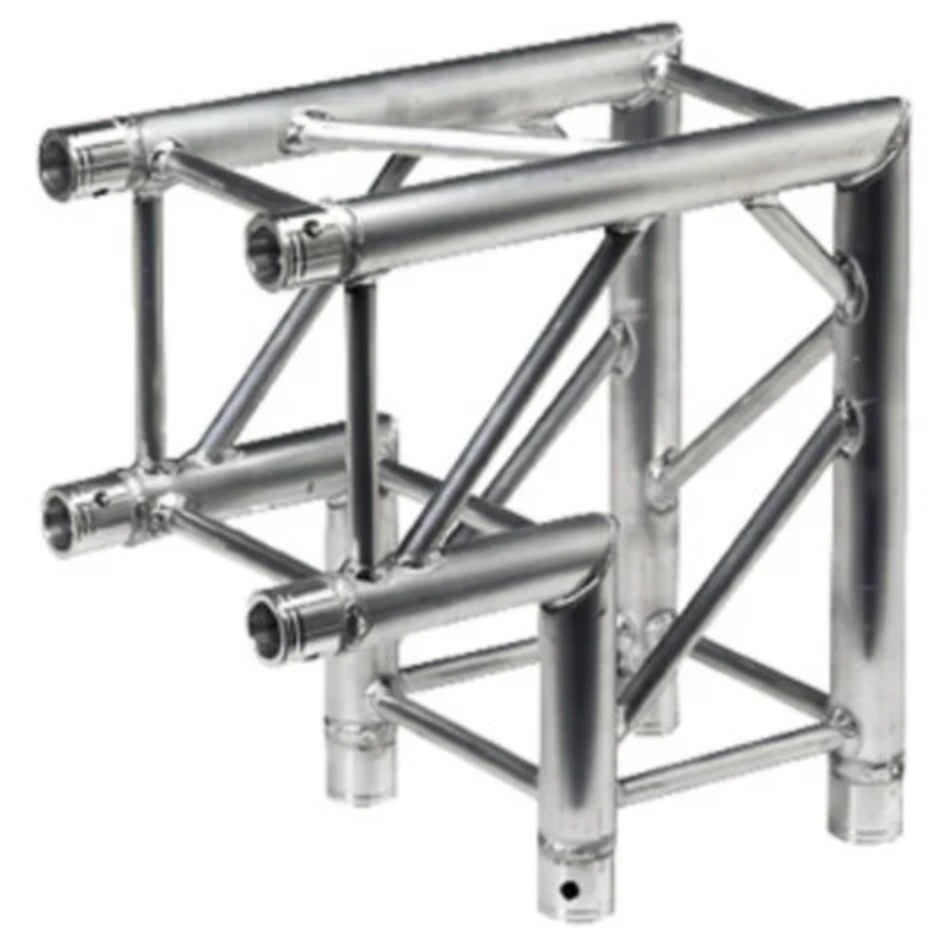
F34 2-Way 90° Corner Block | 290mm Square Box Truss Junction | 6061-T6 Aluminum
$189.99
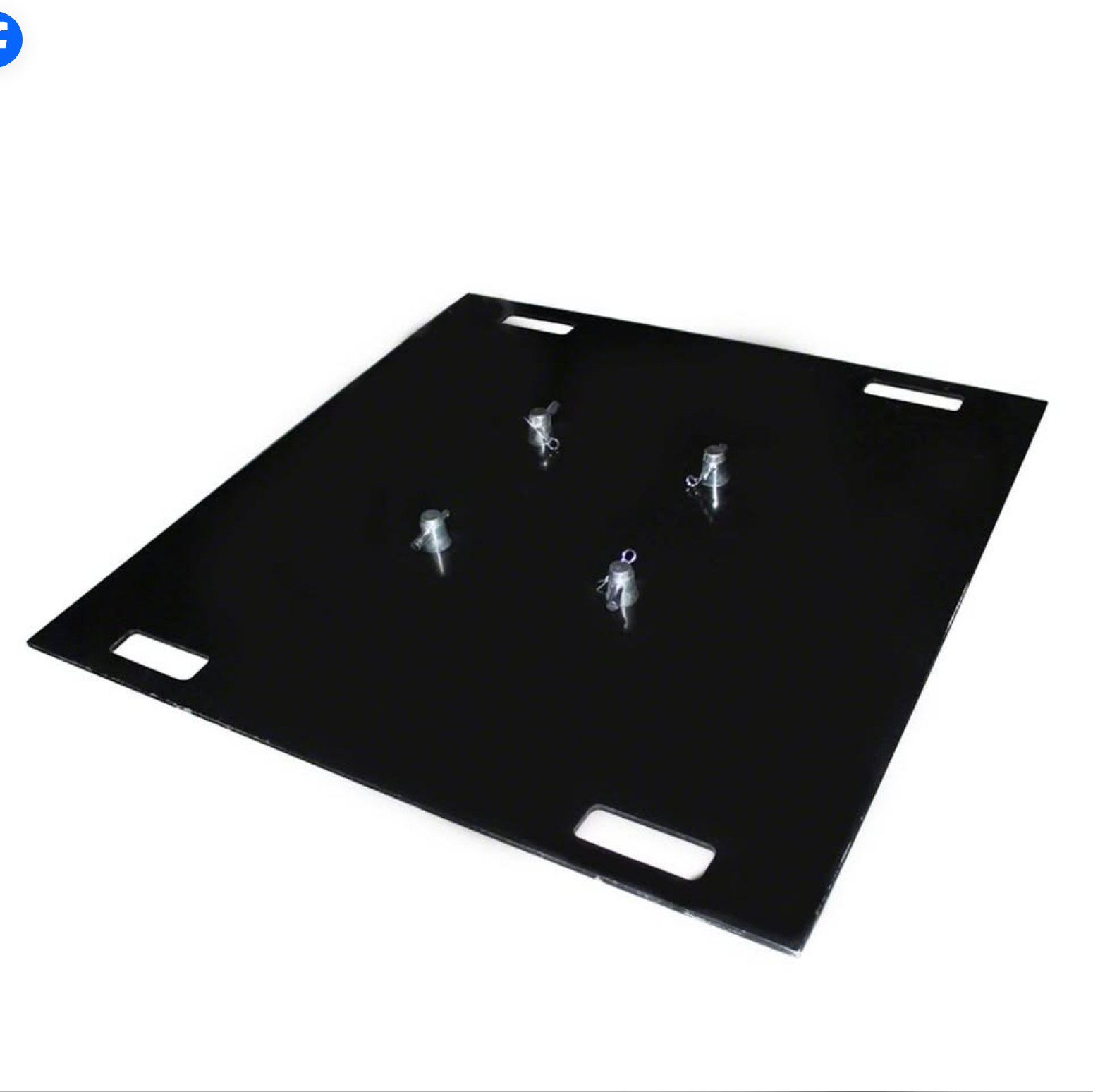
F34 Base Plate 600mm × 600mm × 10mm | Ground Support Plate for 290mm Box Truss
$199.99
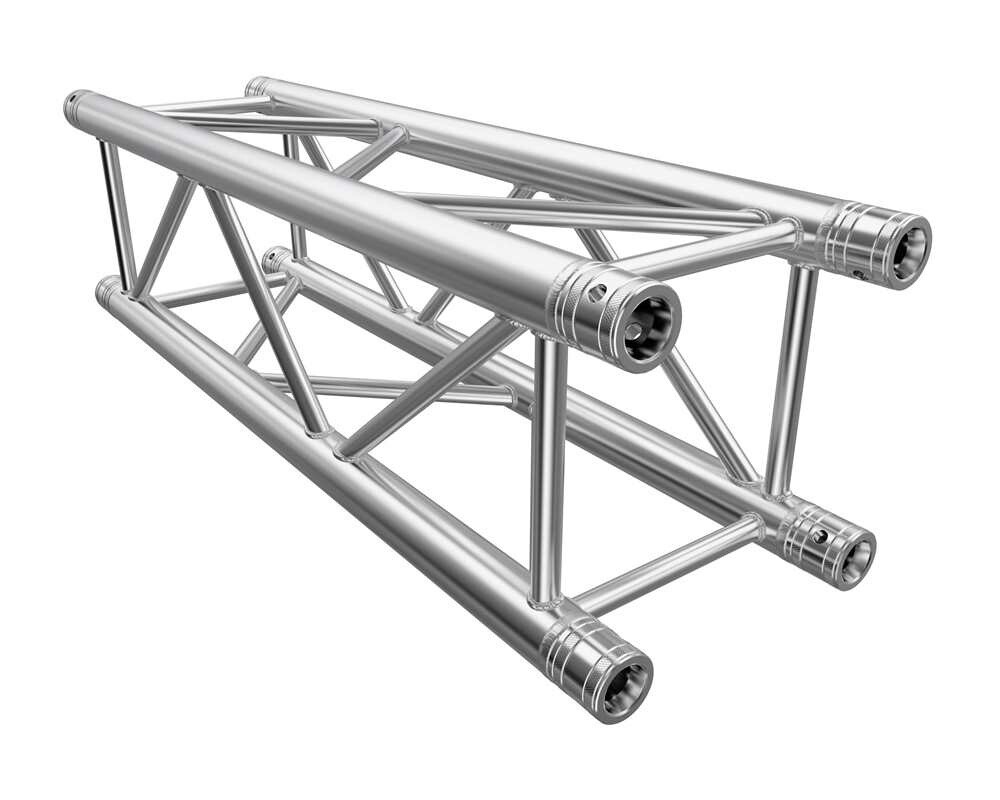
F34 1m (3.28ft) Straight Square Aluminum Truss | 290mm Box Truss | CCS Conical Connection
$189.99$175.00
F34 Base Plate 800mm × 800mm × 10mm | Heavy Duty Ground Support for 290mm Box Truss
$274.99
F34 Aluminum Top Plate 300mm × 300mm | Truss Top Cap for 290mm Box Truss
$139.99
F34 2m (6.56ft) Straight Square Aluminum Truss | 290mm Box Truss | CCS Conical Connection
$349.99$330.00
F34 6-Way Corner Junction Block | 290mm Square Box Truss Connector | 6061-T6 Aluminum
$274.99
Related Guides
Stage Lighting Clamps Explained: C-Clamps vs Coupler Clamps vs Trigger Clamps
Compare stage lighting clamps, including C-clamps, coupler clamps, and trigger clamps. Learn what fits your truss and hardware.
How to Use Truss for Building an Effective Stage with Light Rigging
Learn how to use stage truss and light rigging to build a safe, flexible setup. Get practical tips for clamps and truss hardware.
Add Excitement to Your Party with Effects.
Make your party unforgettable with cold sparks, confetti, and CO2 effects. Shop Truss City for event effects and safety tips.